

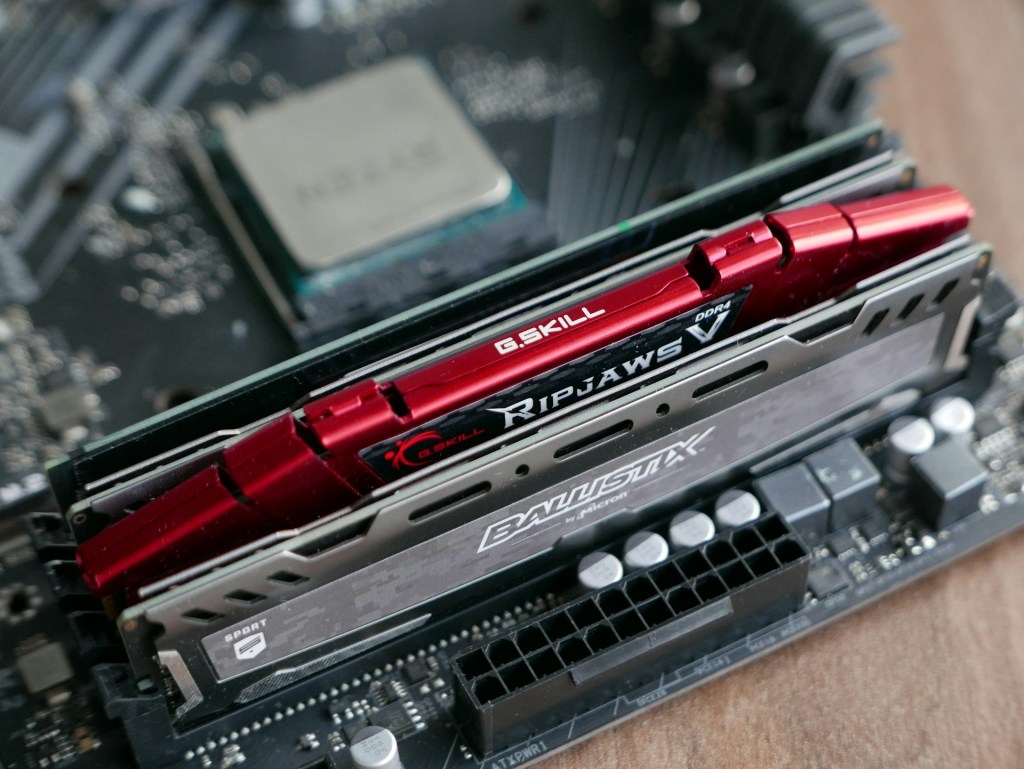
December 4, 2025 — In a move sending shockwaves through the PC hardware community, Micron Technology has officially announced that it will withdraw from the consumer RAM and SSD market, shifting its focus entirely toward enterprise and server-grade memory. As one of the world’s largest producers of NAND flash and DRAM chips, Micron’s exit marks a significant turning point for the consumer electronics landscape.
This decision follows months after OpenAI secured major supply deals with Samsung and SK Hynix to fuel its rapidly expanding AI infrastructure—deals that already caused early signs of strain in the memory market. With Micron joining the shift toward enterprise clients, the consumer sector faces an even greater supply squeeze.
A Major Shift with Widespread Impact
Micron is the third-largest NAND flash manufacturer globally, and its consumer-grade memory products have long been staples for PC builders and laptop manufacturers. Its exit leaves fewer major suppliers producing memory explicitly for everyday users.
This move is part of a broader trend: semiconductor companies are aligning themselves with the booming AI sector, where demand is skyrocketing and profit margins far exceed those of consumer hardware. While this makes sense from a corporate standpoint, it has serious implications for consumer accessibility.
What Consumers Should Expect: Rising Prices and Fewer Choices
The immediate impact will be felt in the wallet. Consumers can expect:
- Higher RAM and SSD prices, potentially three to five times higher than recent years
- Supply shortages, especially for higher-capacity kits and drives
- Inflated secondhand market prices, as resellers take advantage of scarcity
For system builders planning upgrades, waiting may be the only cost-effective option. But for those dealing with sudden hardware failures, this shift creates a tough dilemma: repair costs may now outweigh the value of the computer itself.
A Repair Shop Perspective: When a Simple Fix Stops Being Simple
Running a repair shop, I’ve already noticed the change. Not long ago, replacing a dead SSD or faulty RAM stick for a client was quick, inexpensive, and straightforward. Today, the same replacement can cost multiples of what it did earlier this year.
Even used components—once a reliable budget option—have surged in price. Sellers know the market is tightening, and the result is a ripple effect that affects repair shops and consumers alike. Repairs that used to be practical are now approaching “not worth it” territory.
The Ripple Effect Across Consumer Electronics
The effects won’t stop at PCs. NAND flash memory and DRAM are used in:
- Smartphones
- Gaming consoles
- Smart TVs
- Tablets
- New desktops and laptops
- Cameras and IoT devices
As supply tightens, the cost of producing these devices rises—and retail prices will follow. Over time, consumers may notice more expensive electronics, delays in new product releases, or fewer storage options.
Industry Analysis: A Grim Outlook for Consumers
For those looking for a deeper dive into Micron’s history, market position, and the industry-wide shift toward AI, GamersNexus recently released a fantastic in-depth video analysis. Their coverage provides context on how we reached this point and why the future may be challenging for everyday tech users.
The video highlights how major silicon manufacturers are chasing the lucrative enterprise AI market, leaving the consumer space increasingly neglected. It’s a sobering look at how the tech ecosystem is evolving—and what it means for anyone who relies on affordable personal computing.
The Bottom Line
Micron’s departure from the consumer memory market isn’t an isolated event—it’s part of a larger transformation in the tech industry. With skyrocketing costs, tightening supply, and manufacturers prioritizing AI infrastructure, the average consumer is facing a future where essential computer components are harder to afford and harder to find.
Whether this shift proves temporary or long-lasting remains to be seen. But one thing is clear: the era of low-cost, easily accessible memory is fading, and the effects will stretch across nearly every device we use.
 ITBrother
Leave a comment