

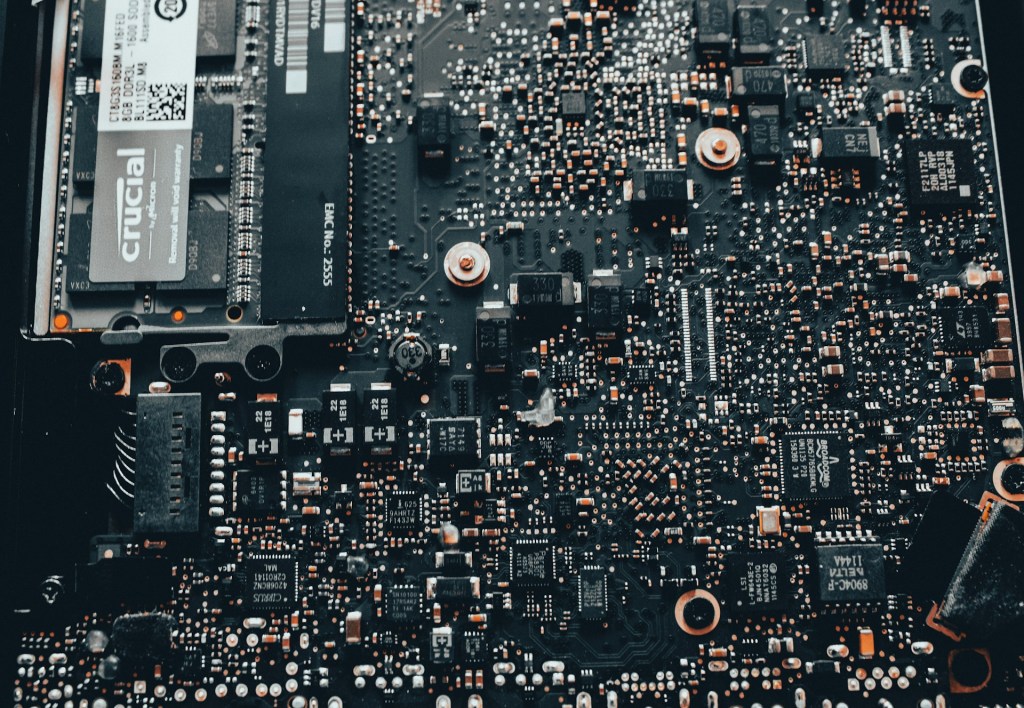
Many people don’t realize that repairing a laptop or desktop motherboard is even possible. Motherboard repair—often called board-level repair—is especially common with laptops, though it can be done on desktops as well. The challenge, however, is that many repair shops simply don’t offer this service. It’s time-consuming, requires specialized equipment and experience, and can be grueling to troubleshoot. Because of this, most shops will default to recommending a motherboard replacement. While a replacement board is typically guaranteed to work, it also comes with a much higher price tag.
For the shops that do offer motherboard repair, the service usually starts around $150 on the very low end and goes up depending on the complexity. So the real question becomes: When is a motherboard repair actually worth considering?
Understanding Motherboard Repair Difficulties
Without going too deep into engineering-level explanations, motherboard repairs vary widely in difficulty depending on the symptoms and which components have failed.
The most common issue we see is the classic “no charge, no power” scenario. This happens when a laptop or desktop shows absolutely no signs of life—no lights, no charging indicator, no fans, nothing. In most cases, this points toward a fault somewhere on the motherboard.
Desktops are more forgiving in situations like this because replacement motherboards are more accessible and significantly cheaper. Laptop motherboards, on the other hand, often have the CPU—and in many models, the GPU—soldered directly onto the board. This integration makes replacements far more expensive and less practical.
When dealing with a dead laptop, the root cause of the “no charge, no power” problem could be almost anything. Sometimes it’s something relatively simple, like a failed capacitor on a power rail. Issues like that are usually quicker to identify and repair. But anything beyond those basic faults can require hours of diagnostics. A modern motherboard contains hundreds of components, and finding the one tiny part responsible can be extremely time-consuming.
This is the main reason motherboard repair is considered a premium service. You’re paying for expertise, time, and detailed diagnostics—not for the cost of a single replacement component.
So When Is Board Repair Actually Worth It?
There are three realistic scenarios where motherboard repair is not just reasonable—but genuinely the smarter option:
- If it’s an Apple laptop (MacBook)
- If it’s an expensive gaming laptop
- If the SSD is integrated into the motherboard
Let’s break these situations down.
1. If It’s an Apple Laptop
Modern MacBooks are notoriously difficult to repair. Apple has spent years designing them in ways that make traditional repairs harder—or sometimes nearly impossible—without the right tools and experience.
Years ago, repairing a MacBook was fairly straightforward. If the SSD or RAM failed, you could easily swap it out and get the device running again. Those days are long gone. On modern MacBooks, almost everything is fused or soldered directly onto the motherboard:
- RAM
- SSD
- Charging and power management chips
- T2 security chip (in older models)
- M1/M2/M3 integrated architecture
This means that if even one of these components fails, the entire machine becomes unusable. There is no quick fix, no simple part swap.
And because Apple doesn’t sell individual board components, replacing the entire motherboard often costs more than half the price of a brand-new MacBook.
Board repair becomes the most logical option here—not just for cost-effectiveness, but for saving data. If your SSD is soldered to the board (which it is on every modern MacBook), a dead motherboard means your data is inaccessible unless the board is repaired enough to power on.
Unfortunately, some Windows laptops are beginning to copy this design trend, making things just as difficult for users and repair shops.
2. If It’s an Expensive Gaming Laptop
Many gaming laptop owners have no idea how common power-related failures are. These machines run extremely hot and pull a massive amount of wattage, especially under heavy gaming loads or when paired with high-performance GPUs.
Because of the heat and power draw, gaming laptops often experience issues such as:
- Damaged power rails
- Burned MOSFETs
- Failing charging circuits
- Broken DC-in ports
- Shorted capacitors
Replacing the entire motherboard on a gaming laptop can be incredibly expensive—sometimes three to four times the cost of a professional motherboard repair. Original replacement parts are also harder to find, and even used boards can be pricey.
Going the board-repair route often makes far more sense financially, especially when the rest of the laptop (keyboard, screen, GPU, chassis) is in great condition.
Of course, repair pricing varies depending on the shop and the complexity of the issue, but in most cases, repairing a gaming laptop motherboard is significantly cheaper than replacing the entire board or buying a new laptop altogether.
3. If the SSD Is Integrated Into the Motherboard
This is one of the most frustrating situations for a laptop owner. Some laptops—especially ultrathin models—come with SSDs soldered directly onto the motherboard. This means your data is physically tied to the board itself.
If the motherboard fails and the SSD is soldered on, you cannot recover the data without getting the motherboard to a working or semi-working state first.
This design is most common in:
- All modern MacBooks
- Some premium Windows ultrabooks
- A few surprisingly mid-range laptop models where you wouldn’t expect it
This is why I always recommend backing up your data regularly and keeping copies of important files elsewhere. Even though these scenarios are rare, they do happen, and no laptop—no matter the brand—is immune to failure.
When your SSD is onboard and the motherboard dies, board repair becomes not just a repair option, but a data recovery necessity.
Final Thoughts: When Board Repair Makes Sense
These three scenarios are the most justified reasons to choose motherboard repair over replacement. However, they aren’t the only reasons. If you happen to find a reputable repair shop offering motherboard repair at a reasonable price, it can significantly increase your chances of getting your device working again—even if your situation doesn’t fall neatly into the three categories above.
The biggest cost factor in motherboard repair is labor. Finding and fixing a fault on a microscopic board takes time, expertise, and specialized equipment. Because of that, shops that offer board-level repair naturally charge a premium. But when compared to the price of a replacement motherboard—or a brand-new laptop—board repair often ends up being the smarter solution.
If you’re ever unsure whether a motherboard repair is worth it for your device, get a diagnostic. A good technician can help you determine whether the repair is practical, cost-effective, and likely to extend your device’s lifespan.
 ITBrother
Leave a comment