

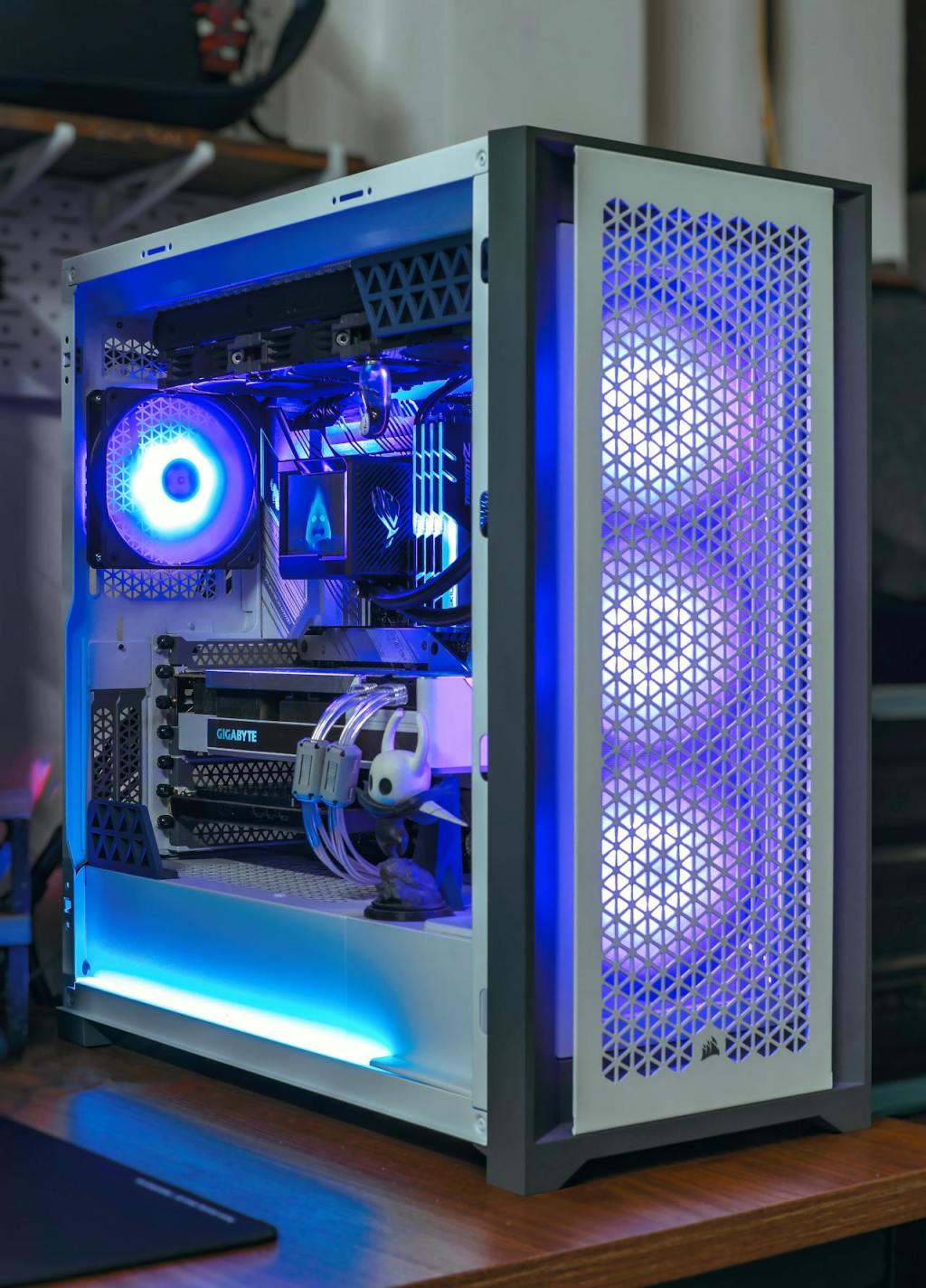
With the holiday season approaching, gamers and PC enthusiasts are once again gearing up to build or upgrade their personal rigs. Some are hunting for deals, some want to build a system for a friend or family member, and others are finally thinking about putting together their very first custom PC. Normally, the end of the year is the best time to take advantage of discounts and bundle deals.
But unfortunately, late 2025 might not be the ideal year for custom PC building, and the reason is simple: the market is currently more volatile than it has been in a very long time.
We haven’t seen price swings like this since the height of the COVID era, when millions of people were stuck at home and looking for ways to pass the time—leading to massive spikes in demand for gaming PCs. But this time, the reason for the price instability is different.
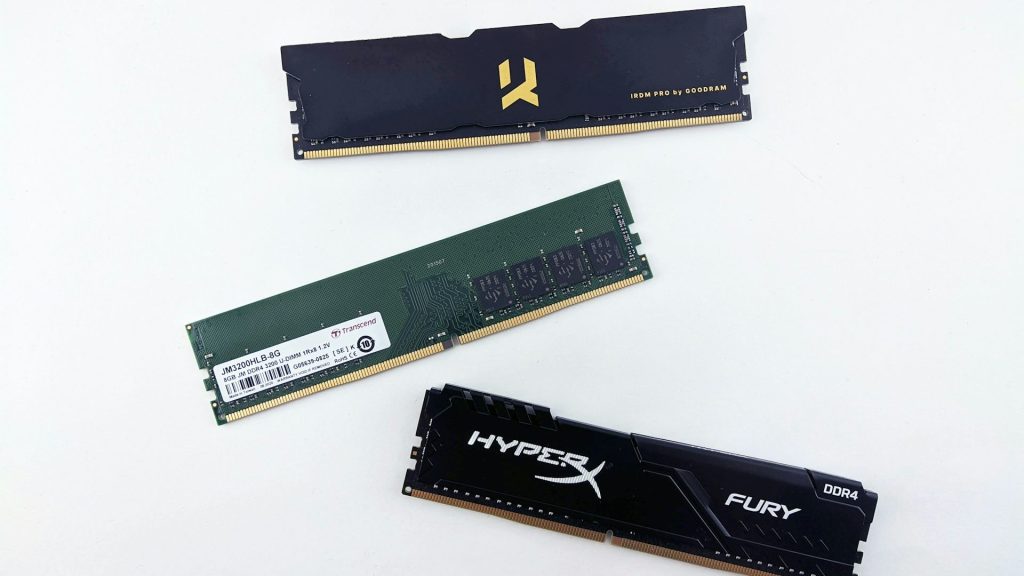
RAM Prices Are Surging—And It’s Affecting the Entire PC Market
Right now, the component causing the biggest headache for builders is RAM. More specifically, DDR5 RAM prices have skyrocketed to levels no one expected. As of writing this, a typical 32GB kit of DDR5-6000 MHz that used to be reasonably priced is now pushing around $220 or more. This kind of increase is nearly unprecedented.
During the COVID years, it was GPUs that doubled in price due to mining and supply chain issues. In comparison, the current RAM situation is different: modules are now two to three times more expensive than they were just six months ago. This single component is inflating the total cost of building a gaming PC, making what used to be an affordable hobby feel increasingly premium.
So what caused this sudden surge?
Why RAM Prices Have Spiked: AI, Servers, and Supply Chain Shifts
The short answer: AI is eating the supply.
In early October 2025, OpenAI struck a major deal with Samsung and SK Hynix—two of the largest DRAM manufacturers in the world. The deal involves supplying OpenAI with massive quantities of server-grade RAM modules for new data centers and server farms.
To put it into perspective:
- Samsung and SK Hynix are responsible for producing nearly 40% of the global DRAM supply.
- Their new agreement has shifted production priorities toward server-grade components.
- Consumer-grade RAM is being pushed to the back of the line.
OpenAI’s target involves producing 900,000 DRAM chips per month, an enormous chunk of the world’s available output. Even though companies like Micron are still manufacturing consumer RAM, they simply cannot make up the difference.
With supply tightening and demand increasing, prices rise—and consumers feel the impact first.
SSD Prices Might Be Next
As if RAM prices weren’t enough, there are rumors circulating that NVMe SSD prices could also rise. Samsung and SK Hynix aren’t just major DRAM producers—they also manufacture NAND flash, which is used in solid-state drives.
If they decide to temporarily shift resources away from NAND production to accommodate server-grade DRAM manufacturing, SSD pricing could follow the same upward trend. It’s not guaranteed, but the possibility is strong enough that many builders are keeping an eye on it.
For now, SSD prices are still manageable, but the market can shift quickly when two dominant manufacturers start reallocating resources.
The Rising Cost of Building a Gaming PC
When you combine the RAM situation with other market factors—like inflation, tariffs, material costs, and manufacturing delays—it becomes clear why building a custom PC in 2025 feels very different compared to a few years ago.
There was a time when you could easily build a solid gaming rig for under $1,000. But today, the baseline cost of an entry-level build is significantly higher, often 20–40% more than what it used to be.
Custom PCs have slowly transitioned from being the cheaper and more customizable option to feeling like a luxury compared to some prebuilt systems.
And that leads to another surprising development…
Prebuilts Are Now Sometimes Cheaper Than Custom Builds
This might be hard for long-time enthusiasts to accept, but we’ve officially reached a point where prebuilt systems often provide better value than building from scratch.
For example, a well-spec’d gaming desktop at major retailers is currently selling for around the mid-$1600 range. If you were to buy all the individual components separately and build an equivalent system yourself, it would cost roughly 10% more.
This is the complete opposite of how things were five to ten years ago. Back then:
- Custom PCs were cheaper
- Prebuilts used lower-quality parts
- Upgradability was poor
- Cooling solutions were worse
- Cable management was… let’s just say “questionable”
But today’s prebuilts have improved significantly. Many use name-brand power supplies, reputable RAM and SSDs, and well-designed cases with good airflow. Some even include features like liquid cooling or RGB setups at prices that would cost more if purchased individually.
This shift has made custom building less appealing for the average consumer—especially those who just want something that works without the hassle of sourcing parts during a volatile market.
So, Should You Build Now or Wait?
This is the big question, and the answer depends on your priorities. But I personally would wait till market trends go down.
Build Now If:
- Your current PC is failing and you need something urgently
- You can find components on sale despite the rising costs
- You’re only upgrading certain parts instead of building a full system
- You value customization and specific parts that prebuilts don’t offer
Wait If:
- You don’t need a new PC immediately
- You want the best possible value for your money
- You’re planning a full build from scratch
- You can afford to wait a few months to see how the market stabilizes
Right now, waiting might genuinely save you money—especially if RAM production balances out in early or mid-2026.
Final Thoughts: A Tough Time for PC Builders
Late 2025 has proven to be one of the most challenging times in recent years for custom PC builders. Between skyrocketing RAM prices, potential SSD price increases, and the overall cost of components creeping upward, building a PC has become less accessible for many people.
That doesn’t mean custom PCs aren’t worth it—they absolutely are for enthusiasts, professionals, or anyone who needs specific configurations. But for casual gamers or new builders, prebuilts might offer better value right now.
If you’re on the fence, the safest move is to watch the market closely, compare prices over time, and take advantage of holiday or seasonal deals when possible.
 ITBrother
Leave a comment