

As more of our daily lives move online, protecting personal information has become increasingly important. Email accounts, banking portals, social media profiles, cloud storage, and even shopping accounts all contain sensitive data that can be exploited if compromised. Unfortunately, data breaches and account takeovers are no longer rare events—they happen every day.
While strong passwords are still important, they are no longer enough on their own. Passwords can be stolen through phishing scams, data breaches, malware, or reused across multiple services. This is where two-factor authentication, commonly referred to as 2FA, plays a critical role in modern account security.
Two-factor authentication adds an extra layer of protection that significantly reduces the risk of unauthorized access, even if your password is compromised. For everyday users, it is one of the simplest and most effective security upgrades available.
What Is Two-Factor Authentication?
Two-factor authentication is a security method that requires two separate forms of verification before granting access to an account. Instead of relying solely on a username and password, 2FA introduces a second step that confirms the person logging in is actually you.
These factors typically fall into three categories:
- Something you know (your password or PIN)
- Something you have (a phone, security key, or authenticator app)
- Something you are (biometric data like a fingerprint or facial recognition)
Most consumer-facing services use a combination of the first two categories. After entering your password, you are asked to provide a second piece of information—usually a temporary code—before access is granted.
This additional step makes it dramatically harder for attackers to break into accounts, even if they already know your password.
Common Types of Two-Factor Authentication
There are several ways two-factor authentication is implemented today. While all of them are better than password-only protection, some methods are more secure than others.
SMS Text Message Codes
With SMS-based 2FA, a one-time code is sent to your phone number via text message. You must enter that code to complete the login.
This method is widely supported and easy to use, but it has weaknesses. SIM-swapping attacks and phone number hijacking can allow attackers to intercept text messages. While SMS 2FA is still better than no 2FA at all, it is no longer considered the most secure option.
Email Verification Codes
Some services send a login code to your email address. This method assumes your email account itself is secure.
Email-based 2FA can be effective, but it becomes a single point of failure if your email account is compromised. Because email is often used to reset passwords for other services, securing your email with stronger 2FA is especially important.
Authenticator Apps
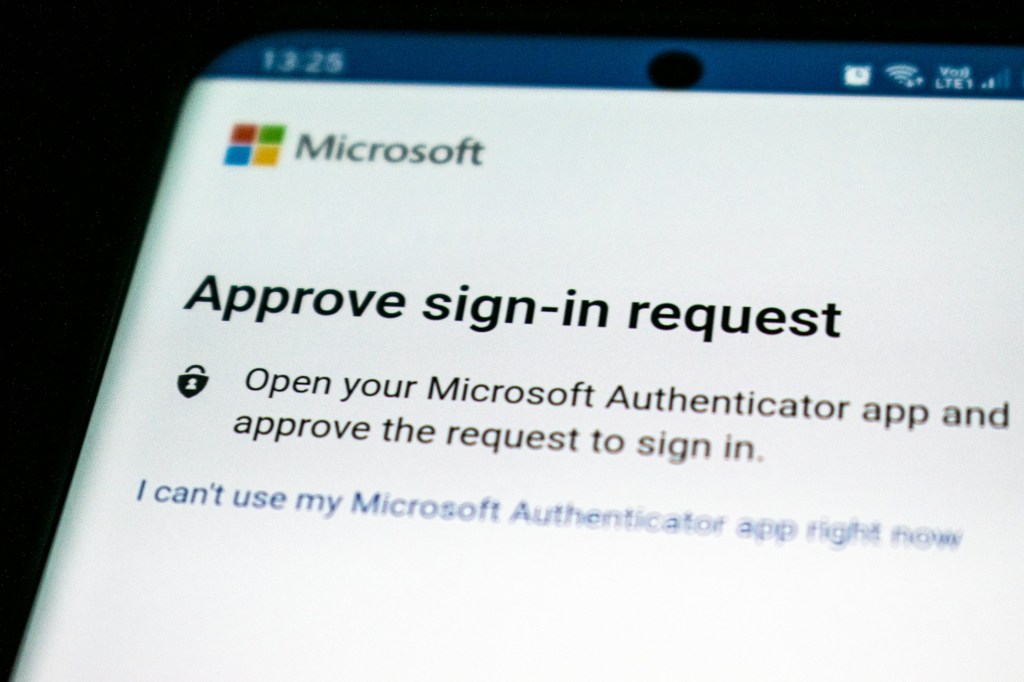
Authenticator apps such as Google Authenticator, Microsoft Authenticator, Authy, and similar tools generate time-based codes that refresh every 30 to 60 seconds. These codes are generated locally on your device and do not rely on cellular service.
Authenticator apps are widely considered one of the most secure and practical forms of 2FA for everyday users. However, users must be careful to back up recovery codes or transfer access properly when switching phones.
Hardware Security Keys
Some advanced users and businesses use physical security keys that must be plugged into a device or tapped wirelessly to approve logins. These provide very strong protection but are less common among everyday consumers.
Why Two-Factor Authentication Is Important
The primary benefit of two-factor authentication is that it protects your account even if your password is stolen.
Passwords can be leaked through:
- Data breaches from major companies
- Phishing emails and fake login pages
- Malware or keylogging software
- Password reuse across multiple websites
If someone obtains your password, 2FA prevents them from logging in without the second verification step. In many cases, the login attempt will trigger an alert, giving you early warning that your account is being targeted.
This extra layer of defense is especially important for critical accounts such as:
- Email accounts
- Online banking and financial services
- Cloud storage
- Social media
- Shopping and payment platforms
Once attackers gain access to a primary account like email, they can often reset passwords for multiple other services. Two-factor authentication helps stop that chain reaction before it starts.
Is Two-Factor Authentication Worth the Inconvenience?
One of the most common reasons people avoid 2FA is convenience. Entering a code or approving a login request can feel like an extra step, especially when logging in frequently.
However, the inconvenience is minimal compared to the potential consequences of an account breach. Recovering from identity theft, financial fraud, or lost access to important accounts can take weeks—or longer—and may involve permanent data loss.
For most users, the extra few seconds required to complete a 2FA login is a small price to pay for the added protection.
Many services also allow you to mark trusted devices, reducing how often you are prompted for a code while still maintaining security.
Best Practices for Using Two-Factor Authentication
To get the most benefit from 2FA, it’s important to use it correctly.
Enable 2FA on your most important accounts first, especially email and financial services. Choose authenticator apps over SMS when possible, and store recovery codes in a safe place, such as a password manager or offline backup.
Keep your phone secured with a PIN or biometric lock, and avoid approving login requests you didn’t initiate. If you receive unexpected 2FA prompts, it may indicate someone is attempting to access your account.
Final Thoughts
Two-factor authentication is no longer just an optional feature—it is a fundamental part of modern online security. While no security system is perfect, 2FA dramatically reduces the risk of unauthorized access and protects you even when passwords fail.
For everyday users, enabling two-factor authentication is one of the most effective steps you can take to safeguard your digital life. It may add a small amount of friction to the login process, but the added protection and peace of mind are well worth it.
In a world where online threats continue to grow, two-factor authentication is not about paranoia—it’s about being prepared.
 ITBrother
Leave a comment