
Over the past few years, I’ve noticed a growing trend among Windows users—especially those running Windows 11. Instead of updates improving system stability, many monthly updates appear to be doing the opposite. More and more clients are coming in with the same story:
“I let Windows install updates, and now my computer is crashing or blue screening.”
This pattern has become increasingly common, and for users, it’s exhausting. For technicians trying to diagnose and fix these issues, it’s equally frustrating. Based on what we see every day at the shop, Windows updates are becoming a leading cause of system instability—not a solution to it.
To be fair, no version of Windows has been perfect. Every release has had its share of bugs, bad patches, and growing pains. But in the eyes of many users—and from what we see on the repair shop—Windows 11 seems to have more of these issues, and more frequently. It’s not just one bad update here and there. It’s become a recurring pattern that’s genuinely wearing people down.
At the same time, Microsoft’s approach to Windows development has changed significantly compared to earlier versions. So it’s fair to ask: is Windows 11 introducing more problems than it solves—and is this trend pushing users toward alternatives like macOS or Linux?
Forced Updates and Growing Complexity
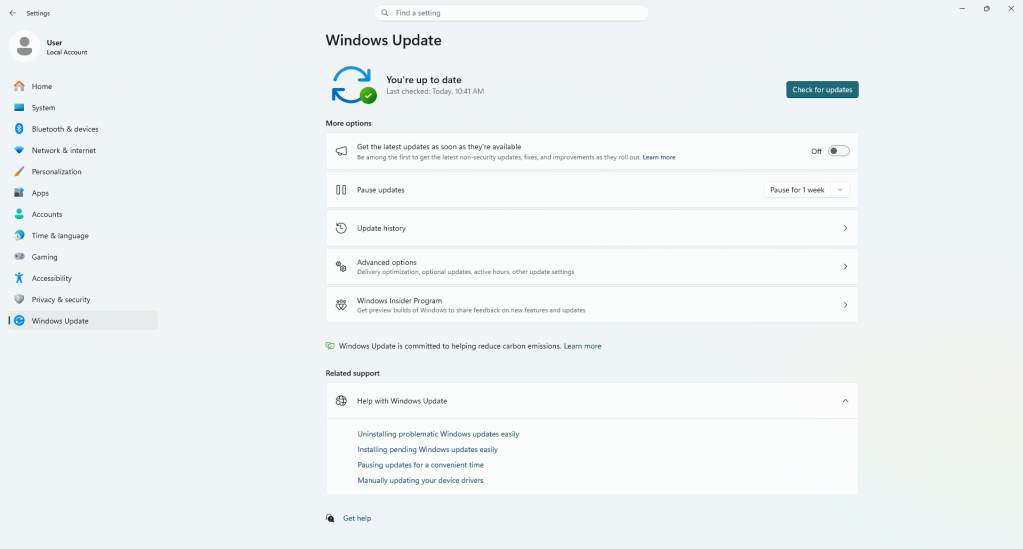
System-breaking updates are not entirely new to Windows. These issues started becoming more noticeable after Windows 10, but Windows 11 has amplified the problem significantly. Windows 7—widely considered the gold standard era of Windows—rarely had this problem. Updates were smaller, more targeted, and less likely to upend a working system.
One of the biggest differences between Windows 7 and modern Windows versions is user control. Windows 7 allowed users to delay, skip, or selectively install updates. While it still followed a monthly update cycle, users had far more flexibility over what got installed and when.
Windows 11, by contrast, enforces mandatory updates for most users. While this approach improves security consistency across devices, it also increases the chances of an update being pushed to a system that isn’t fully compatible or prepared for it.
Compounding the issue is the sheer scale of modern updates. Monthly Windows 11 updates are no longer small, targeted patches. They frequently bundle together:
- Security fixes
- Bug fixes
- Driver changes
- Feature additions
- Background system changes
Any time that many components are modified at once, the likelihood of conflicts goes up—especially on older systems or machines with customized configurations.
Feature Creep vs. Stability
During the Windows 7 era, updates were focused on one thing: keeping your computer running reliably. Feature updates were rare, and major changes were reserved for entirely new Windows releases. That conservative approach kept systems stable over long periods of time.
Windows 11 takes a very different approach. Microsoft now pushes frequent feature changes, even in regular update cycles. While innovation isn’t inherently bad, the pace and direction of these changes often feel disconnected from what everyday users actually need.
Features like AI integration, background data analysis, and experimental system tools are being introduced faster than many users can understand or manage. Some arrive half-baked, change behavior between updates, or are turned on by default without clear explanation.
From a repair standpoint, this increases the number of unknown variables when diagnosing issues—because a system that worked fine last month may behave very differently after an update, and not in a good way.
Hidden Settings and Unintended Consequences
One of the more troubling aspects of recent Windows updates is the way settings can change without clear user awareness. Certain system-level features may be enabled automatically after updates, without adequate explanation. While Microsoft often frames these changes as security or productivity improvements, they can create real-world problems—especially when users don’t know they exist.
This is where small, quiet changes can turn manageable situations into serious ones.
BitLocker: A Real-World Example
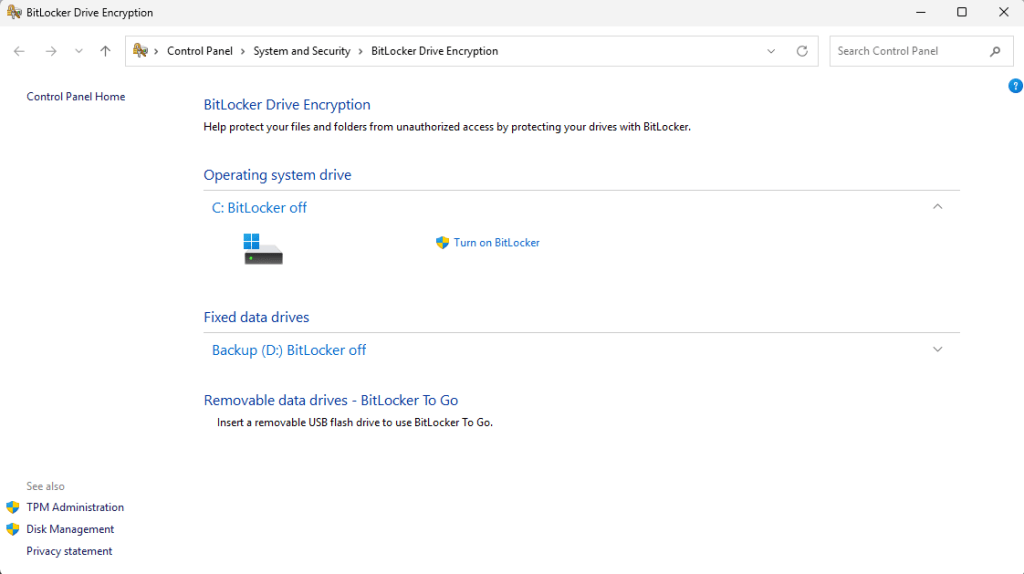
One of the most common and impactful examples we’ve encountered recently involves BitLocker encryption. BitLocker is a disk encryption feature designed to protect data if a device is lost or stolen. In enterprise environments, this makes perfect sense—IT departments track recovery keys and manage policies carefully.
However, in recent Windows updates, BitLocker has been enabled by default on many consumer systems, including Windows Home editions—often when users sign in with a Microsoft account or use modern hardware features like Modern Standby.
The problem isn’t BitLocker itself. It’s the lack of user awareness. We’ve seen multiple cases where:
- A Windows update causes system instability or a boot failure
- The system needs to be accessed externally to back up data
- BitLocker is enabled
- The user has no idea what BitLocker is
- The recovery key was never saved
Without that recovery key, the data is effectively gone. A software problem becomes a data loss risk—not because of anything the user did wrong, but because a critical security feature was enabled without sufficient warning or education.
Privacy, AI, and the Erosion of Trust
Microsoft’s increasing focus on AI-driven features has raised serious concerns among users—particularly around privacy and transparency. New tools that analyze user activity, enhance productivity, or integrate AI assistance often require deeper access to system data. While Microsoft has clarified or walked back some of these features following backlash, the broader concern remains: Windows is becoming more invasive than many users are comfortable with.
From a technician’s perspective, this erosion of trust matters. When users feel they don’t fully understand what their operating system is doing—or what data it’s collecting—they lose confidence in the platform as a whole. And that’s a hard thing to rebuild.
Why Recommending Windows Is Getting Harder
As someone who works with Windows systems every day, it’s becoming increasingly difficult to recommend Windows 11 without caveats. Windows 10 already showed signs of this direction, and Windows 11 doubled down on it. While staying on Windows 10 indefinitely isn’t a viable long-term solution (it reaches end of support in October 2025), upgrading doesn’t always feel like a clear improvement either.
What most of our clients want is straightforward:
- Consistent, stable performance
- Control over what gets installed and when
- Transparency about what their computer is doing
- No forced features they didn’t ask for
They want a computer that works. That’s it. And right now, Windows 11 is making that harder than it should be.
Microsoft Is Listening—Or Says It Is
To be fair, Microsoft has started to hear the criticism. In March 2026, following widespread backlash—including the viral nickname “Microslop” that users coined to describe the company’s aggressive and often unwanted AI feature rollouts—Microsoft publicly committed to a significant course correction.
The company announced plans to scale back Copilot’s presence across everyday apps like Notepad, Snipping Tool, and Photos. They’ve promised to make AI features opt-in rather than forced, reduce intrusive pop-ups and upsells in the Start menu, and give users more control over when updates are installed and restarted. There’s also talk of a movable taskbar—something users have requested since Windows 11’s launch in 2021.
On paper, these are exactly the kinds of changes users have been asking for. And it’s genuinely good to see Microsoft acknowledge that the current direction hasn’t been working.
But here’s the honest take: only time will tell whether Microsoft actually follows through. We’ve seen promises before. The proof will be in the updates themselves—whether they’re smaller, more stable, less intrusive, and more respectful of the user’s time and preferences. We’ll be watching, and we’ll keep you posted on what we see from the shop floor.
Final Thoughts
Windows 11 isn’t inherently unusable, but it represents a shift in philosophy—one where rapid development and feature expansion have repeatedly come at the cost of reliability and user control. And compared to previous versions, the frequency of these disruptions feels notably higher.
Frequent updates, hidden setting changes, and enterprise-grade features pushed onto everyday consumer systems increase the risk of instability and data-related complications. For regular users, this can turn routine updates into stressful and costly experiences—which is exactly how we end up with more people walking through our door.
As this trend continues, it’s understandable why some users are beginning to explore alternatives. Stability, transparency, and trust matter. And for now, those qualities are still a work in progress when it comes to Windows 11. We hope Microsoft’s recent promises mark a genuine turning point—but we’ll believe it when we see it.
Need a Fresh Windows Installation? We Can Help. Whether your PC is acting up after an update, you’re looking for a clean Windows install, or you just want someone to walk you through your options, we’re here for it. Stop by our shop in Downtown Los Angeles and we’ll take a look.
 ITBrother